

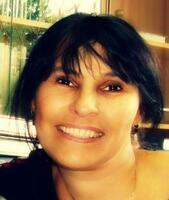
1962, Podgorica, MNE –
_________________________________________
Field(s) of professional engagement
Ethnology and anthropology of ethnic identities, urban anthropology, ethnology of socialism and post-socialism
_______________________________________
Institution where he/she works or where he/she completed his/her working life
Institute of Ethnology and Anthropology, Faculty of Natural Sciences and Mathematics, University “St. Cyril and Methodius” – Skopje
_____________________________________________________
Abstract of activities, professional engagement, achievements
Mirjana P. Mirchevska is a full professor at the Institute of Ethnology and Anthropology at UKIM, with a significant contribution to the development of teaching and research in the field of ethnology and anthropology. Her scientific interests include: ethnic identities, ethnic symbols, identities in border areas, material culture, small ethnic communities, urban anthropology, as well as research on socialism and post-socialism. She is the author of numerous scientific papers, monographs, reviews and translations, and is a participant in national and international projects. She was the head of the Institute of Ethnology and Anthropology, president of the Macedonian Ethnological Society and member of the Senate of UKIM. She was also part of the expert team for the preparation of the Regulation for amending and supplementing the Regulation for the Valorization, Categorisation and Revaluation of Cultural Heritage at the Administration for the Protection of Cultural Heritage. Mirjana Mirchevska is the current president of the Association of Folklore Ensembles of Macedonia – SOFAM.
________________________________________
Short biography and education
Mirjana Mirchevska was born in Podgorica, Montenegro, in 1962. In 1987 she graduated from the Faculty of Natural Sciences and Mathematics in Skopje with a degree in ethnology. In 1990 she began her postgraduate studies in Belgrade, where in 1995 she defended her master's thesis "Ethnological characteristics of Struga Drimkol", under the mentorship of academician Petar Vlahović, for which she was awarded the "Borivoje Drobnjaković" award for the best master's thesis. She received her doctorate from the Faculty of Natural Sciences and Mathematics in Skopje in 2004 with the dissertation "Verbal and non-verbal ethnic symbols in Gorna Reka" under the mentorship of Prof. Dr. Aneta Svetieva.
________________________________________
Work in an institution
Mirjana Mirchevska has been employed at the Department of Ethnology at the Institute of Geography of the Faculty of Natural Sciences and Mathematics at the University "Sts. Cyril and Methodius" in Skopje since 1988 as an assistant. After receiving her doctorate in 2004, she was elected to the teaching and scientific rank of assistant professor at the same faculty. In 2009, she was elected to the rank of associate professor, and in 2014, to the rank of full professor at the Institute of Ethnology and Anthropology of the Faculty of Natural Sciences and Mathematics at the University "Sts. Cyril and Methodius" in Skopje. She was the head of the Institute (2007 - 2011), a member of the Senate of UKIM (2010 - 2014), president of the Macedonian Ethnological Society (2005 - 2010). She is also the president of the Union of Folklore Ensembles of Macedonia - SOFAM (2021-).
2025. 75 years of "TANEC" – Monographic presentation of archival materials from the Archives of the National Institution of Folk Dance and Song Ensemble "TANEC": program activity of the Ensemble "TANEC" 1949-2024. Co-authored with Svetlana Ćirić. Skopje: National Institution of Folk Dance and Song Ensemble "TANEC".
2007. Verbal and non-verbal ethnic symbols in Gorna Reka. Skopje: Institute of Ethnology and Anthropology, PMF, UKIM.
The research is dedicated to the ethnic landscape of Gorna Reka, which is part of the wider Reka Region, located in the northwestern part of the Republic of Macedonia. The area, with its seventeen villages and pronounced geographical isolation, represents a border zone with a specific cultural and ethnic environment. It borders on various ethnic and cultural groups – the Gorani, the Pishkopejci, the Mavrovci, the Gornopoložani, the Mijaci and the Mijaci Torbesh subgroup – and as such appears as the so-called "ethnic thrombus", a space where different ethnic and cultural identities intersect and intertwine.
Scientific interest in Gorna Reka has been present since the late 19th and early 20th centuries, through anthropogeographic, ethnopsychological and ethnographic works (Cvijić, K’nchov, Smiljanić, Nikolić, Nedeljković, Filipović, Trifunoski). After World War II, research continued, but for the most part remained fragmentary and incomplete.
Mirjana Mirčevska’s work has a more complex approach by registering ethnic symbols and analyzing their role in the formation of the ethnic identity of the Gorna Reka people. The research covers a number of thematic segments: ethnogenesis, demographic picture, family and village structure and their functions, verbal symbolic systems (language, names, traditions, ethnonyms) and non-verbal symbolic systems (religion, diet, dwellings, costumes).
In addition to the analysis of local material, comparisons are continuously made with neighboring ethnographic regions in Macedonia, Albania, and Serbia. The exception is the Gora region, which due to the current political circumstances was not available for field research, although relevant sources were consulted.
Specialized research in ethnological and anthropological archives and institutions in Serbia, Slovenia and Macedonia. Participation in scientific and field research in several regions of Macedonia (Gorna Reka, Struga Drimkol, Poreč, Krivopalanečko, Skopska Crna Gora) Slovenia (Kozjanski Park) and Bulgaria (Skorpilovci).
Articles and other contributions
2025. "The Lausanne Treaty and its reflection on the Macedonian population in Aegean Macedonia - a short introduction". Seminar on traditional music and dance. Proceedings, XVII. 55. Republican Festival of Folk Songs and Dances "Ilinden Days", Bitola. NI Center for Culture-Bitola. 32-41.
2024. "Media Interpretation of Folk Life from the Beginning of the 20th Century - Ethnographic Visualization". Macedonian Folklore (Македонски фолклор) LV/85. Skopje: Institute of Folklore "Marko Cepenkov", 9–24.
2024. "Functionality of Relation: Visual Ethnology and Anthropology - Cultural Heritage and Vice Versa". Etnolog No. 20. Skopje: Macedonian Ethnological Society. 7-21.
2023. "Urban Structure of Space: The First 100 Years of Debar Neighborhood". Sofia - Skopje. Cultural Dynamics of Urban Spaces. Eds. Stamen Kanev, Marina Yanislavova, Bozhidar Parvanov, Nadezhda Ivanova. Sofia. Academic Ethnological Association. Erove. 55-84.
2021. "The Question of the Origin of the Porečе People - a Contribution to Ethnic Identity". Ethnological and Cultural Anthropological Study of Porečе. Editors: Ljupcho S. Risteski and Aneta Svetieva. Skopje. Center for Ethnological Research and Applied Anthropology. 189-201
2021. "Anthropology of Education in Times of Pandemic - Did We Do the (Best) Thing?". Sofia - Skopje. Everyday Life and Celebrations during a Pandemic. Eds. Stamen Kanev, Marina Yanislavova. Sofia. Academic Ethnological Association. Erove. 87-114.
2021. “Natasha Didenko, Blagica Ilic: 75 years – more than dance and song: Ensemble of folk dances and songs ‘Orce Nikolov’. Ensemble of folk dances and songs ‘Orce Nikolov’ – Skopje, Royal Art, Skopje, 2020, 130 pages”. INI Bulletin 1–2. Skopje: Institute of National History, 255–258.
2020. “Anthropology of Multiculturalism: Theory and Practice”. Macedonian Folklore LI/77–78. Skopje: Institute of Folklore “Marko Cepenkov”, 315–327.
2020. “Anthropology of Socialism: Self-Reflexive Memories of the Yugoslav People’s Army”. EthnoAnthropoZoom 20. Skopje: Institute of Ethnology and Anthropology, PMF, UKIM, 130–162.
2020. “On the topic of multiculturalism: Anthropology of togetherness or how brotherhood and unity turned into coexistence”. Etnolog 19. Skopje: Macedonian Ethnological Society, 23–38.
2019. “Anthropology of identities: What does it mean to be a great (the greatest) Macedonian. Based upon the Ilinden March”. Fields: The fate of traditions. Sofia: Department of Ethnology, Sofia University “St. Kliment Ohridski”, 19–37.
2019. “Anthropology of religion and public space in post-socialist Skopje (on the example of the Epiphany celebration in Skopje)”. Sofia – Skopje. Cultural models and migrations. Ed. Nadezhda Ivanova, Stamen Kanev, Marina Yanislavova, Bozhidar Parvanov. Sofia. Academic Ethnological Association. Erove. 218-244
2018. “Anthropology of Stereotypes – a Question of Social Inclusion. Roma VS Others in the Republic of Macedonia”. Gjurgjovden/Erdelezi and the Traditional Culture of Roma in Macedonia and the Balkans. Skopje. Institute of Folklore “Marko Cepenkov”. 57-70.
2018. “Anthropology of Social Memory: The Yugoslav People’s Army in the Context of Functions and Modes of Action in the Period 1955 – 1990”. Through the Past to the Future: In Honor of Margaritae Karamihova. Sofia: Prosveta. 279–291.
2017. “The Development and Role of the Institute of Ethnology and Anthropology in the Context of Education and Ethnological Studies in Macedonia”. Ethnologist 18. Skopje: Macedonian Ethnological Society, 7–19.
2017. “Neither here nor there: visible Islam in the identity constructions of Balkan Muslims of South Slavic origin”/“Neither here, nor there (and here and there). visible Islam in the identity constructions of Balkan Muslims of South Slavic origin”, Dynamics of cultural processes, transfer and memory, 2. Sofia. BAN. 211-221.
2016. “The role of religion in public discourse in the construction of ethnic identity: Contemporary Macedonian developments”. Macedonians with Islamic religion in historical and contemporary context: Scientific conference, MANU, 29 June 2015, Skopje. Skopje: Institute of National History, Commission for Relations with Religious Communities and Religious Groups, MANU, 201–218.
2015. “Modern Identity Constructions on the Example of Macedonian-Muslims”. Slavs-Muslims in the Balkans: Language, Culture, Identity. Moscow: Institute of Slavic Studies, Russian Academy of Sciences, 117–133.
2015. “Balkan Paths of Diversity: Otherness in Public Discourse in Macedonia or the Other through Stereotypes”. The Balkans: People, Wars and Peace. Skopje: Institute of National History. 239-252.
2014. “Bibliography Ljupcho Jordan Nedelkov, PhD”. EthnoAnthropoZoom 10. Skopje: Institute of Ethnology and Anthropology, PMF, UKIM, 138–139.
2014. “Constructing the Present through Reexamining the Past: Between Public Discourse and Personal Perception”. On Ethnology... We Have Crossed Countless Thresholds... For Aneta Svetieva. Skopje: Institute of Ethnology and Anthropology, PMF, UKIM, 155–170.
2013. “Identity Issues: Examples of Identity Constructions through Language and History”. Etnolog 15. Skopje: Macedonian Ethnological Society, 119–128.
2013. “Language, History and the Constructions if Identity (Macedonian-Balkan Comparisons)”. Teaching, Acquiring and Applying Intercultural Linguistic Competence. CD. Sarajevo. International Burch University Publication No.20. Edit by. Assoc. Prof. Dr. Azamat Akbakov. 1372 - 1383.
2013. “Assoc. Prof. Dr. Ljupčo Jordan Nedelkov (1964 – 2012): In memoriam: Biography and Bibliography”. Etnolog 15. Skopje: Macedonian Ethnological Society, 236–237.
2013. “Petrula Jovan Karadafov (1954 – 2011): (Curator Advisor at the National Museum of Macedonia – Ethnological Museum): In memoriam”. Co-authored with Sanja Dimovska. Etnolog 15. Skopje: Macedonian Ethnological Society, 234–235.
2012. “Food as an Identification Code”. Ethnologist 14. Skopje: Macedonian Ethnological Society, 101–109.
2012. “Explanation for the award of the Presidency of the Macedonian Ethnological Society for Lifetime Achievement to Prof. Dr. Aneta Svetieva for her special contribution to the development of ethnology and the creation of ethnological personnel”. Ethnologist 14. Skopje: Macedonian Ethnological Society, 19–22.
2012. “Anthropology of festivities: Could the church and nationally related festivities replace the socialist ones? “. Acta Ethnographica Hungarica 57/2. Budapest: Akademiai Kiado, 441–452.
2012. Look, they are the same as we are, but they are Muslims . . . so that’s it: the case of Macedonians with Muslim religion today (a contribution to the Balkan ethnic identities), Yesterday, today, tomorrow and the change. Istanbul: Sulejman Sah University. 647-658.
2011. “Global-Local Identities: Between History, Politics and Mythologisation – An Anthropological Approach”. Spektar XXIX/2/58. Skopje: Institute of Macedonian Literature, 356–367.
2011. “Macedonian Women’s National Costume in the Border Area of Struga Drimkol – Continuity and Change”. “Bałkański folklor jako kod interkulturowy”. Poznań: Adam Mickiewicz University. 289-297.
2010. “Structure and Function of the Upper Reka Traditional Family”. Etnolog 12–13. Skopje: Macedonian Ethnological Society, 159–176.
2010. “Macedonian Farmers between the Tradition, Transition and European Regulations”. Modern and Post-Modern Etudes in Ethnology and Anthropology. Sofia. Ethnologia Academica. 5. Dedicated to 30th. Anniversary of department of ethnology, Faculty of History, Sofia University “St. Kliment Ohridski”. 152-219.
2009. “Holiday celebration of the population of Gorna Reka related to folk religion”. EthnoAntropoZoom 6. Skopje: Institute of Ethnology and Anthropology, PMF, UKIM, 190–218.
2009. “Language, Culture and National (Ethnic) Identity: Theoretical Perspectives”. Culture and Language: Proceedings of the Scientific Conference held on 3–4 April 2008. Skopje: Institute of Macedonian Language “Krste Misirkov”, 45–56.
2009. “Structure and Function of the Upper Reka Traditional Family”. Etnolog 12-13. Skopje: Macedonian Ethnological Society, 159–176.
2009. “Public manifestation of the ’Other’ Cultural Identity - the Costume of the Macedonian Muslim women (Torbesh) from the Macedonian-Albanian Border Areas”. Social and spiritual aspects of material culture. Skopje. Institute of Ethnology and Anthropology, PMF, UKIM. 282-289.
2009. “Other People – Other Customs versus Other People – Same Customs. The Question of Ethnographic Field Research”. Field research (challenges-results-application). Book abstract. Sirogojno: Ethnographic Institute SASA. 30.
2008. “Ethnic identities: Personal and family names of the Gornorekans peoples”. Transitions in History and Culture (Proceedings from the International Scientific Conference held in Skopje on 30–31 October 2006, in cooperation with the Ethnographic Institute with Museum at the Bulgarian Academy of Sciences). Skopje: Institute of National History, 647–655.
2008. “Belief in Vampires among Macedonians in Kriva Palanka”. Zbornik soboškega muzeja, 11-12. (ed. Franc Kuzmič). Murska Sobota: Pokrajinski muzej. 55-66.
2008. “Rituals with Masks in the Republic of Macedonia with Especial Focus on Twelve Days”. The Ritual Year and History. 3. Third International Conference of the SIEF working group The Ritual Year. Strážnice: Národní ústav lidové kultury. 160-167.
2007. “Ethnohistorical Characteristics of Gorna Reka in the Period of the Ottoman Empire (14th – 17th Century) – A Contribution to Ethnic Identity”. History, Historiography and History Teaching (Contributions from the International Conference “History, Historiography and History Teaching” held from 21 to 23 November 2007 in Skopje). Skopje: Association of Historians of the Republic of Macedonia, 291–302.
2007. “Between Faith, Tradition and Entertainment (Anthropological View)”, Return of Religiosity, Academica Balkanica, 3, Section Balkan Ethnology. Sofia: Ethnographic Institute with Museum. BAN. 50-63.
2006. “Ethnic Identity: Some Views on the Question of Dual Identity Based on the Example of the Gorna Reka Residents”. Macedonian Folklore XXXII/63. Skopje: Institute of Folklore “Marko Cepenkov”, 235–248.
2006. “Status and role of the village woman in the Republic of Macedonia and family relations, 19 – 20 century, (based upon the example of the villages in the Macedonian-Albanian border area)”. Social Behaviour and Family Strategies in the Balkans (16th – 20th Centuries): Bucharest: New Europe College, 460–485.
2005. “The folk costume of the Gorna Reka people as a non-verbal ethnic symbol”. Etnolog XII/11. Skopje: Macedonian Ethnological Society, 145–159.
2005. “The Villages in the Ethnographic Region of Gorna Reka as Religious-Ritual Communities”. EthnoAnthropoZoom 5. Skopje: Institute of Ethnology and Anthropology, PMF, UKIM, 188–213.
2005. “Tombstones in Poreče as a Non-Verbal Ethnic Characteristics”. Post-Yugoslav Lifeworlds Between Tradition and Modernity. Zbirka Županičeva knjižnica, 15. Ljubljana: Filozofska fakulteta, Oddelek za etnologijo in kulturno anthropologijo, 123-132.
2005. “Summary review of ethnic identity based on several theories”. Proceedings of Ethnology 3. Skopje: Museum of Macedonia, 65–68.
2005. “The ethnic identity of the Upper Reka people presented through official censuses”. Proceedings of the Third Congress of Geographers in the Republic of Macedonia. Skopje. Macedonian Geographical Society. 261-274.
2004. “Mode of migrations – immigrations, confessional and ethnic changes in Upper Reka”. Ethnologist VII/10. Skopje: Macedonian Ethnological Society, 9–33.
2003. “The Villages as Social and Economic Communities in the Region of Gorna Reka”. EthnoAnthropoZoom 3. Skopje: Institute of Ethnology and Anthropology, PMF, UKIM, 138–163.
2003. “Tombstones and Crosses in the Kumanovo Region: Exhibition of Milica Peshevska-Nikolovska”. Roots II/5. Kumanovo: Society for Science and Culture “Paradigma”, 684–686.
2002. “Tombstones in Poreče as a Non-Verbal Ethnic Indicator”. 70 Years of Josef Obrembski’s Research in Poreče, Republic of Macedonia. Prilep: Institute of Old Slavic Culture, 283–299.
2001. “The structure and function of the family cooperative among the Macedonians (on the example of the cooperative of Blazhevski from the village of Indžikovo)”. Proceedings of the Second Congress of Geographers of the Republic of Macedonia. Skopje: Macedonian Geographical Society, 195–200.
2001. “Museum “Pijanec” – the first open air museum in the Republic of Macedonia”. Natural potential and sustainable development of mountain regions. Balkan scientific and practical conference, BAN, Vrachanski Balkan Nature Park, Vratsa, 13-15 July 2001. 382-387.
2000. “Settlement of Albanians in Struga Drimkol”. Ethnologist VI/9. Skopje: Macedonian Ethnological Society, 67–75.
2000. “Bibliography [Dr. Nijazi Limanoski]”. Ethnologist VI/9. Skopje: Macedonian Ethnological Society, 15–17.
1997. “The Traditional Diet of the Population in Struga Drimkol until the Mid-Twentieth Century”. Ethnologist 7–8. Skopje: Association of Ethnologists of Macedonia, 142–148.
1995. “Vasilica Customs in the Village of Vevchani”. Ethnologist 6. Skopje: Association of Ethnologists of Macedonia, 188–192.
1994. “Residential Habits in Struga Drimkol – Continuity and Change”. Ethnologist 4-5. Skopje: Association of Ethnologists of Macedonia, 125–135.
1993. “Wedding Customs among the Macedonians in the Village of Podgorci – Struga”. Ethnologist 3. Skopje: Association of Ethnologists of Macedonia, 145–150.
1992. “Life customs of the population in the village of Radolista – Struga”. Ethnologist 2. Skopje: Association of Ethnologists of Macedonia, 163–167.
1992. “Ethnological characteristics of the Vlachs from the village of Gorna Belica”. Collection of Ethnology 1. Skopje: Museum of Macedonia – archaeological, ethnological and historical, 19–26.
1990. “Folk costume in Vevchani”. Geographical views. Skopje. Geographical Society, Institute of Geography.
Conferences, seminars, summer schools
2001
Balkan scientific and practical conference "Natural potential and sustainable development of mountain regions" (Natural potential and sustainable development of mountain regions), organized by the Geographical Institute of the Bulgarian Academy of Sciences, the Bulgarian Association of Rural and Ecological Tourism and the Vrachanski Balkan Nature Park, Vratsa, Republic of Bulgaria. July 13-15, 2001.
2001
International Scientific Meeting "70 Years from the Research of Jozef F. Obrebski in Poreche, R. Macedonia". Samokov: Institute for Old Slavic Culture – Prilep. September 14-16, 2001.
2005
III International Congress of Geographers of the Republic of Macedonia. Skopje: Macedonian Geographical Society. October 15-16, 2005.
2006
"You have a clear sign!" "Return" of religiosity at the end of the 20th and beginning of the 21st century". Workshop of the Balkan Ethnology Section. Ethnographic Institute with Museum - Bulgarian Academy of Sciences/"You have a clear sign!" "Return" of religiosity in the late 20th and early 21st centuries". Workshop of the Balkan Ethnological Section. EIM - BAS. Sofia, Republic of Bulgaria. May 15, 2026.
2006.
International Scientific Conference "Social Behaviour and Family Strategies in the Balkans (16th – 20th Centuries)". New Europe College. Bucharest, Republic of Romania. June 9-10, 2006.
2007.
III International Scientific Conference "The Ritual Year". Organizer: The SIEF Working Group on the Ritual Year. Stražnice, Republic of Czech Republic. May 25-29, 2007.
2008.
International Symposium. “From Traditional Attire to the Modern Dress: Modes of Identification, Modes of Recognition in the Balkans (XVI-XX Centuries)”. New Europe College. Bucharest, Romania. June 13-14, 2008.
2008
International Scientific Conference “Social and Spiritual Aspects of Material Culture”. Ohrid. Institute of Ethnology and Anthropology, University "St. Cyril and Methodius", September 18-20, 2008.
2008
International Conference “National Traditions and European Integration”. Gyuleshnica, Bulgaria.
2009
International Scientific Conference "Bałkański folklor jako kod interkulturowy" ("Balkan Folklore as an Intercultural Code") organized by the Adam Mickiewicz University, Poznań, Republic of Poland. May 12-13, 2009.
2009
International Scientific Conference "Field Research (Challenges - Results - Application)"/"Field Research (Challenges - Results - Application)" Sirogojno. Ethnographic Institute SANU. Republic of Serbia. August 31 - September 3, 2009.
2009
International Scientific Conference "Suočavanje s prošlošću" ("Facing the Past") organized by the Center for Political Science Research in Zagreb, Republic of Croatia.
2011
International Scientific Conference "Heroes and Celebrities in Central and Eastern Europe", held in Szeged, Hungary.
2011
International Scientific Conference "Twenty Years Later (1991 – 2011): The Reshaping of Space and Identity, Joint Conference, Institute of Ethnology and Anthropology" organized by the RAS, held in Moscow. 29. September – 01. October 2011.
2011
International Scientific Conference "Macedonian Identity: Literature, Language, History, Culture", on the occasion of 30 years of the Institute of Macedonian Literature. Organized and held at the Institute of Macedonian Literature, Skopje. 7-8 November 2011.
2012
International Interdisciplinary Scientific Conference “The World is Composed the Stories: The Relationship Between Discourses and their Transformations”, held at Mykolas Romeris University in Vilnius, Lithuania. 13-16 September 2012.
2012
First International Scientific Conference “Yesterday, Today, Tomorrow and the Change”, held at Shah Suleyman University, Istanbul, Republic of Turkey. 24-26 September 2012.
2013
International Scientific Conference “Applying Intercultural Linguistic Competence to Foreign Language Teaching and Learning”, held at Burch International University, Republic of Bosnia and Herzegovina. 3-5 May 2013.
2013
National conference with international participation. "50 Years Ethnology in Veliko Turnovo University: Ethnographic Exposition as a Tool Shaping National Memory", held at the Department of Ethnology at the University of Veliko Turnovo, Republic of Bulgaria. 04 – 05 June 2013.
2013
International conference of CEI member states - "Preserving the languages and cultures of minorities in the member states of the Central European Initiative". Participant on the topic "Balkan Slavic languages - intercultural dialogues based on selected examples", held at the Institute of Macedonian Language "Krste Misirkov" in Skopje. 29-30 November 2013.
2014
International Scientific Symposium: “Ethnotourism and ethnological culture heritage”. Skopje: Macedonian Ethnological Society. September 12, 2014.
2015.
International Symposium: “Balkan culture seen through the folkloristic and ethnological researches”. Skopje: Institute of Folklore “Marko Cepenkov”. December 19-20, 2015.
2015.
Scientific Meeting: “Macedonians with Islamic Religion in Historical and Contemporary Context”. Skopje: Commission for Relations with Religious Communities and Religious Groups. Union of Macedonians with Islamic Religion. Macedonian Academy of Sciences and Arts. Institute of National History. June 29, 2015.
2016.
Bilateral student and doctoral cooperation between the Department of Ethnology of the Faculty of History at the Sofia University "St. Kliment Ohridski". "Cultural and Historical Heritage and Modernity" / "Cultural Historical Heritage and Modernity". Student and doctoral readings. UNB "Prof. Tsv. Bonchev". Golechica, Republic of Bulgaria. 10 – 12 June 2016.
2016.
International Conference "Cultural Integration, Transfers, Signs of Memory" / "Cultural Integration, Transfers, Signs of Remembrance". By project: "Cultural Integration and Sustainability" / "Cultural Integration and Sustainability", between BAN and MANU. Leaders: Prof. Milena Bozhikova and Acad. Katica Kjulavkova. Sofia. 27-28 October 2016.
2016.
International Scientific Conference "Guidelines in Academic Research and Teaching of Ethnology and Anthropology". Samokov: Sofia University "St. Kliment Ohridski". November 18-20, 2016.
2017
International Scientific Conference "War and Peace - Past, Present, Challenges"/"War and Peace - Past, Present, Challenges". Veliko Tarnovo: Veliko Tarnovo University "St. Cyril and Methodius". May 25-26, 2017.
2018
International Scientific Symposium on the Occasion of the 50th Anniversary of Elzi Ivančić Dunin's Research on the Roma in Macedonia. Skopje: Institute of Folklore "Marko Cepenkov". April 11, 2018.
2018
International Conference "Destiny of Traditions"/"The Destiny of Traditions"/"The Destiny of Traditions". Kyustendil. University "St. Kliment Ohridski", Department of Ethnology. November 16-18, 2018.
2019
Symposium on the topic: "Ethnological and Folkloristic Aspects of Multiculturalism and Interculturalism of Macedonian Society". Kratovo: Institute of Folklore "Marko Cepenkov" and Macedonian Ethnological Society. September 26-27, 2019.
2019
XX International Symposium in the Field of Balkan Folklore: "Folkloristics: Challenges and Perspectives". Skopje: Institute of Folklore "Marko Cepenkov". November 22-23, 2019.
2019
School of Migrations. "Migrant and Refugee Human Rights Protection Project". Struga: Macedonian Association of Young Lawyers supported by USAID.
2019
Bilateral Scientific Conference "Sofia - Skopje: Cultural Models and Migrations"/Sofia - Skopje: Cultural Models and Migrations. Organized with the support of the City Municipality of Sofia – Program: Culture. Sofia. May 17-18, 2019.
2000
Second International Congress of Geographers of the Republic of Macedonia. Ohrid: Macedonian Geographical Society. November 3-5, 2000.
2022
XXI International Scientific Symposium: "Tradition, Media, Digital World". Skopje: Institute of Folklore "Marko Cepenkov". November 25, 2022.
2023
International Scientific Conference on Solidarity and Collective Support through the Prism of Folklore and Ethnology. "Solidarity and Support in a Post-Welfare Era". Skopje: Institute of Ethnology and Anthropology, PMF, University "St. Cyril and Methodius". September 14-15, 2023.
2023
International Scientific Symposium "Europe and Macedonia: Ideas, Processes and Figures". 75 years since the founding of the Institute of National History - Skopje. Skopje. September 21-22, 2023.
2023
International Scientific Symposium "Intangible Cultural Heritage through the Vision of Visual Anthropology". Kratovo: Macedonian Ethnological Society. September 29-30, 2023.
2023
"The Material Culture of the Roma". Scientific conference implemented as part of the research project. "Folkloristic and Ethnological Research of the Material Culture of the Roma" supported by the MKT of the Republic of Macedonia, under the leadership of Daniel Petrovski, MA. And in cooperation with. Institute of Folklore "Marko Cepenkov" and Roma Association "Romano Ilo". Skopje. November 28, 2023.
2023
Bilateral scientific conference "Sofia - Skopje. Cultural Dynamics of Urban Spaces". Organized with the support of the City Municipality of Sofia - Program. Culture. Sofia. November 20-21, 2023.
2023
International Scientific Conference on the topic: "Intangible Cultural Heritage Through the view of Visual Anthropology". Kratovo: Macedonian Ethnological Society. September 29-30, 2023.
2024
International Scientific Symposium on the topic: "Folkloristics and Cultural Heritage". Skopje: Institute of Folklore "Marko Cepenkov". November 22, 2024.
2025
Seminar on Traditional Music and Dance, 55th Republican Festival of Folk Songs and Dances - "Ilinden Days", Bitola. National Center for Culture. July 20, 2025.
2025
International Scientific Symposium on the topic: "Ethnology and protection of cultural heritage". Kratovo: Macedonian Ethnological Society. October 15-16, 2025.
2025
International Conference "Macedonia in ethnological and anthropological science – from within and beyond". Ohrid: Institute of Ethnology and Anthropology, University "St. Cyril and Methodius". September 12-14, 2025.
2026
Scientific conference "Lexicon of Macedonian Folklore". Institute of Folklore "Marko Cepenkov" - Skopje. Popova Kula-Demir Kapija. 01-02. June 2026.
Lectures
2025
"Ethnology and Contemporary Challenges". Lecture at a panel on the topic: "Traditional Culture Today: Perspectives of the New Generation of Researchers", organized within the framework of the Folk Culture Festival "Pobraženje", for students of the first, second and third cycle of studies in ethnology, ethnochoreology and folklore. Vevchani: KUD "Drimkol" - Vevchani and Institute of Folklore "Marko Cepenkov" - Skopje. August 18, 2025.
2024
Symposium on the topic: "Similarities Bring Us Together - Gorna Reka". Organizer: Citizens' Association for Support and Promotion of Education and Culture "EDOKUL" with the support of MKT of the Republic of N. Macedonia. Lecturer. May 11, 2024.
2019
Lectures within the framework of the School of Migrations. Struga: Students of UKIM and other students of the School of Migrations organized by USAID. Lecturer.
- Basic concepts of migration from a social-humanistic perspective. Anthropological elements of migration processes. Who are migrants? Why do they migrate? Where do they migrate? Consequences of migration.
- Migrations from the late 20th and early 21st centuries. European and Balkan developments. (IM)Possible acculturation. Transnationalism as a process.
- Refugees as carriers of migrant flows. Cultural penetrations. Prejudices and stereotypes. Balkan and Macedonian developments.
- Interaction system. Expectations of migrants (ideal and real). Cultural identities. Dynamic perspective of studying international migrations among highly educated population structures and students.
2018.
"Intangible Cultural Heritage. Interpretation of Ethnological Cultural Heritage". Forum on the topic of Promoting the Elements of the Protection of Ethnological Cultural Heritage in the Republic of Macedonia. Skopje. CEIPA. Institute of Ethnology and Anthropology, PMF. 20. September 2018. Lecturer.
2017
International Spring School "Ethnography of socialism". Kriva Palanka. Institute of Ethnology and Anthropology, UKIM, Skopje. 30. April.-10. May 2017. Lecturer.
2013.
"The Question of the Ethnic and Cultural Identities of the Slavic Population of the Balkans with the Muslim Religion". Sofia University, Faculty of History, Department of Ethnology. Lecture for second-cycle students, 2 – 3 March 2013.
2011.
"Macedonians with Muslim Religion – Between National Affiliation and Religious Commitment". Public Forum, Skopje, 15 February 2011.
2010.
"Construction of Balkan Identities". Department of Ethnology and Cultural Anthropology, University of Ljubljana. Lecture to first-cycle students, 16 – 18 November 2010.
2005
"Get to know the tradition". Lectures in the field of ethnology at a forum organized by the International Multiethnic Organization from Gostivar, for students of different ethnicities from Gostivar. Lecturer: Assoc. Prof. Dr. Mirjana Mirčevska. 12 May 2005.
2026.
"Ethnological research in Prespa within the framework of the 4PRESPA project". Project of the NI Institute and Museum - Bitola. Project Manager Dr. Meri Stojanova. Participant in the project.
2025.
"Ethnological research in Prespa within the framework of the 4PRESPA project". Project of the NI Institute and Museum - Bitola. Project Manager Dr. Meri Stojanova. Participant in the project.
2024.
“Experiences and creation of professional personnel in the field of folk dance, song and music through the state education system - Macedonian examples”. “Comparative experiences through practical work, recommendations and guidelines for a better development of cultural and artistic creativity and preservation of intangible cultural heritage, traditional cultural and ethno-cultural characteristics”. Project supported by the Ministry of Culture of the Republic of Montenegro. Podgorica: Non-governmental Association for Montenegrin-Macedonian Friendship - “Kirjana”. Participant in the project.
2023
“Folklore and ethnological research of the material culture of the Gorani people”. Macedonian Student Ethnological Society. Project funded by the Ministry of Culture and Tourism of the Republic of N. Macedonia. Project leader Assoc. Prof. Dr. Viktor Trajanovski. Participant in the project.
2022 – 2024
“Ethnological and Anthropological Lexicon of Macedonia: Personalities and Works”. Institute of Ethnology and Anthropology project. Project leader: Prof. Dr. Ljupčo S. Risteski. The project is funded by the integrative funds of University "St. Cyril and Methodius". Project participants: Dr. Ljupčo S. Risteski, Dr. Mirjana Mirčevska, Dr. Ilina Jakimovska, Dr. Davorin Trpeski, Dr. Ana Ashtalkovska Gajtanoska, Dr. Ines Crvenkovska Risteska, Dr. Viktor Trajanovski, Bojana Mirčevska, MA Elizabeta Pavković.
2021 -2023
"Ethnological Lexicon of Montenegro". ("Leksikon Etnologija Crne Gore"). Podgorica: Montenegrin Academy of Science and Arts (MASA). Participant, with 26 determinants in the field of traditional culture/ethnology of R. Montenegro.
2021
"Shutka - my exotic story. Macedonian Student Ethnological Society. Project financed by funds intended for support in the field of culture of the city of Skopje. Project leader Assoc. Prof. Dr. Viktor Trajanovski. Participant in the project.
2019
"Cultural Heritage on Stage". Project leader Assoc. Prof. Dr. Ines Crvenkovska Risteska. Skopje: Center for Ethnology and Applied Anthropology (CEIPA) and Institute of Ethnology and Anthropology, October 22, 2019. Participant in the project.
2018 - 2023
"Sofia - Skopje: Cultural Models and Migrations"; "Sofia - Skopje: Everyday Life and Festivity during a Pandemic" and "Sofia - Skopje: Cultural Dynamics of Urban Spaces", bilateral projects between the Academic Ethnological Society at Sofia University "St. Kliment Ohridski"/Department of Ethnology and Institute of Ethnology and Anthropology, Ss.Cyril and Methodius University-Skopje. Leader from the Macedonian side: Dr. Mirjana Mirchevska, full-time professor.
2017 – 2018
“Forming an Ethnographic Museum Collection”. Head of the project: Prof. Dr. Davorin Trpeski. Participant in the project.
2017 – 2018
“Cultural Policies and Cultural Heritage: Memories of the Socialist Period in Macedonia”. Project implemented by the integration funds of Ss.Cyril and Methodius University (UKIM). Head of the project: Prof. Dr. Davorin Trpeski. Participant in the project.
2014 – 2016
“The Cultural Identity of the Macedonians from Žerveni Emigrated to Turkey”. Project supported by the Association of Macedonians from the village of Žerveni in Mustafapaşa, Central Anatolia, Republic of Turkey. Project leader: Prof. Dr. Mirjana Mirchevska.
2013
“Organized Labor and Migrant Workers – In Search of Supportive Practices: A Comparative Analysis of Trade Union Responses to Migrant Labour in Slovenia, Austria, Italy, Croatia, Serbia and Macedonia”. Project leader and principal investigator in Macedonia: Dr. Ljupčo S. Risteski, Associate Professor at the Institute of ethnology and anthropology (IEA) at the Ss.Cyril and Methodius University (UKIM)-Skopje. Financial support: European Union.
2012 – 2013
“The Cultural Heritage of Osogovo”. Valorization Study with a Proposal for the Establishment of a Protected Area “Osogovo Mountains”. Macedonian Ecological Society. Researcher.
2010 – 2012
“Patterns and Dilemmas of Ethnocultural Identities between Europe and Asia: Ethnographic Analysis and Comparisons of Representations of Space in Macedonia and Slovenia”. Participant in the bilateral international research project of IEA with the Department of Ethnology and Cultural Anthropology at the University of Ljubljana, Slovenia. National project funded by the Ministry of Education and Science of the Republic of Macedonia.
2009 – 2010
“Cultural Traditions of Macedonians with Islamic Religion”. Project implemented through the Broadcasting Council. Skopje: Union of Macedonians with Islamic Religion. Researcher in the field of ethnology.
2005 – 2006
“Ethnography of Modernization”. International scientific research project between the Institute of Ethnology and Anthropology - Skopje, and the Department of Ethnology and Cultural Anthropology at the University of Ljubljana. National project funded by the Ministry of Education and Science of the Republic of Macedonia. Participant in the project.
2003 – 2004
“Life on the Border: Golo Brdo”. Project implemented with the support of the Foundation Institute “Open Society” – Macedonia. Project leader: Prof. Dr. Aneta Svetieva. Participant in the project.
2002 – 2004
“Ethnographic Map of Macedonia”. Project leader: Dr. Gjorgji Zdravev, full professor at the IEA at the Faculty of Arts – Skopje. Participants: Prof. Dr. Gjorgji Zdravev, Prof. Dr. Aneta Svetieva, Prof. Dr. Blagoja Markoski, Assoc. Prof. Dr. Ljupco S. Risteski, Asst. M.A. Ljupco Nedelkov, Asst. M.A. Mirjana Mirchevska and Jr. Asst. Davorin Trpeski. Financial support: Ministry of Science of the Republic of Macedonia.
2001 – 2003
“Support to Farmers Organizations in the FYR of Macedonia. Socio-economic survey”. Support to Agricultural Associations in Macedonia. (Socio-anthropological studies of members within the Agricultural Associations in Macedonia). Scanagri. Project Director: Sten-Rune Lundin. Project implemented with the support of SIDA (SWEDISH INTERNATIONAL DEVELOPMENT COOPERATION AGENCY) and the Government of the Kingdom of Sweden. Consultant: Robin Walraven. Researcher: Mirjana Mirchevska, MSc.
2000 – 2004
“Ethnological and cultural-anthropological study of Poreč” – scientific research project. National project funded by the Ministry of Education and Science of the Republic of Macedonia. Head: Prof. Dr. Aneta Svetieva. Participant in the project.
2000 – 2003
“Traditional culture of Slovenia and Macedonia”. International scientific research project of the Department of Ethnology at the Ministry of Education and Science of the Republic of Macedonia and the Department of Ethnology and Cultural Anthropology in Ljubljana, Republic of Slovenia. National project funded by the Ministry of Education and Science of the Republic of Macedonia. Head: Prof. Dr. Aneta Svetieva. Participant in the project.
2000 – 2002
“Musealization of agricultural equipment in Strumica and Maleševo and related crafts”. Project leader: Dr. Krste Bogoeski, full professor at the IEA at the Faculty of Natural Sciences - Skopje. Participants: Prof. Dr. Krste Bogoeski, Asst. M.A. Ljupcho Nedelkov and Asst. M.A. Mirjana Mirchevska. Financial support: Ministry of Science of the Republic of Macedonia.
2000-2001
Preparation of a report and concept for the "Ethno Park "Pijanec", in the village of Dramche - Ochipala. Project developed for the needs of the Municipality of Delchevo. Head of the project: M.A. Mirjana Mirchevska.